


Are Dental Implants Right for You? What to Know First

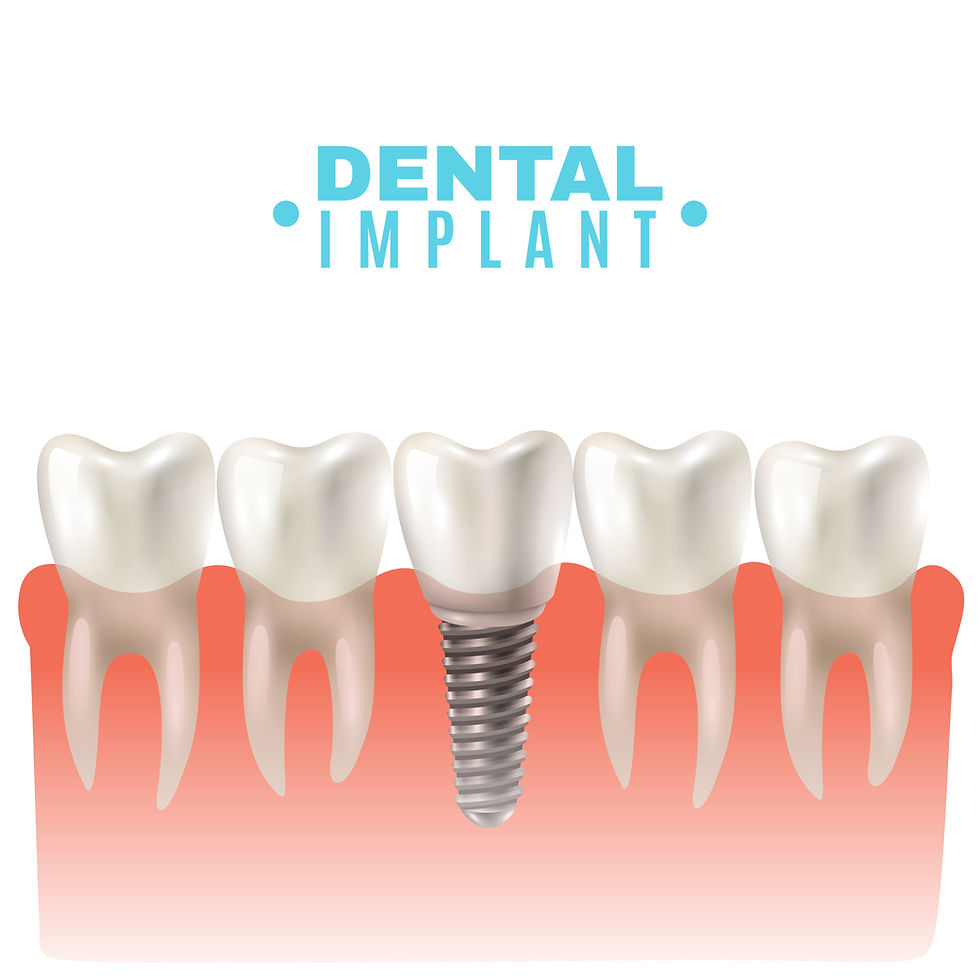
Dental implants have the power to bring back lost teeth not only in terms of their functionality but also in terms of their aesthetics. They are similar to the roots of natural teeth and offer support for crowns that are indistinguishable in look and feel. However, not every patient is a candidate for the dental implant procedure. This article will discuss the eligibility criteria, the procedure steps, advantages, risks, financial aspects, and the healing process. To begin with, there are a few important points to consider before scheduling a consultation.
Immediate Considerations Before Choosing Implants
The implant procedure is not for everyone. Some factors still need consideration before it gets done.
Quick Checklist
Oral health – First, gum disease has to be treated. The process of healing is successful when supported by healthy gums.
Bone volume – The implant requires an adequate amount of jawbone to hold it. If such a situation does not exist, a bone graft will be necessary.
Medical factors – For example, the condition of diabetes must be controlled. Additionally, smoking can hinder healing. Therefore, some medications could influence the process.
Age and expectations – Implants represent a long-term commitment. The entire process could take months.
If all these conditions are satisfied, or can be adjusted with treatment, the next step is to explain the implant procedure.
The Implant Process, Step by Step
The very first step in the Implant process is a consultation plus imaging. The dentist will consider the condition of your jawbone and oral health. Implant placement follows next. A tiny titanium post is driven into the jawbone. Its function is to be the new tooth root. After that, healing starts. The term "osseointegration" is used to describe this stage. It lasts for a few weeks to up to several months. The post is ultimately secured in place by the new bone that has proliferated around it. After the healing stage, a connector is put on the post. At last, a personalized crown is placed on the post. Bridges or dentures are alternatives, but stability and lifespan are not the same. Still, the question remains why so many patients opt for implants regardless of the timeline.
Implants Bring Benefits with them
Implants restore human function. Chewing, speaking, and biting again with normal force is possible. Implants are made to last. They can be very long-lasting if proper cares are taken and the patient is committed. The same is true for their looks. Many patients perceive it as a re-conquering of the war against being self-conscious about their smile and speech. Implants are sometimes included in a comprehensive Cosmetic Dentistry plan aimed at restoring a complete, healthy, and attractive smile. However, implants also come with risks. Therefore, it is essential to be aware of the potential drawbacks.
Risks and Downsides to Weigh
There are always risks associated with implants, just like in any other surgical procedure. Nevertheless, being aware of these risks will definitely help you make the right choice.
Main Issues to Consider
Surgical risks - There is a possibility of infection. Nerve irritation may occur. In the case of the upper jaw, there might be sinus problems.
Bone grafts - If your jaw is very thin, a graft may be necessary. This will require more time and add to the cost of the procedure.
Cost and commitment - The Implant procedure requires patients to visit the dentist several times. It also requires the patient to maintain a high level of oral hygiene on a daily basis.
Now that you are familiar with the risks, the next step is to consider costs as well as the impact of insurance on the final price.
Cost, Insurance, and Financing
Implants would be seen as an investment. The price is determined accordingly, depending on the complexity of your case. A single implant is cheaper than a complete restoration of all teeth. Many dental insurance plans usually cover a percentage of the total cost. Inquire about direct billing through your dental office in Saskatoon. Payment plans are another option that can help ease the financial burden.
Recovery, Maintenance, and Long-Term Care
Surgery is followed by a week or two with somewhat painful sensations. It is also normal for the whole area to become larger than its standard size. However, a more extended healing period is required, which can take several months. During this period, the implant and the bone become one. After the crown is placed, its care is simple: just brush twice a day, floss once a day, and visit your dentist Saskatoon periodically for cleanings. Make sure not to clench or grind excessively. Monitor your oral health and be vigilant for any signs, such as persistent pain, swelling, or the implant becoming loose. Inform your dentist about these symptoms as soon as possible. A local consultation can also help to clear your options if you are still uncertain whether implants are suitable for you or not.
How West 14 Dental Aids
West 14 Dental is a patient-centred dental clinic located in Saskatoon. The clinic provides the residents with the possibility of going through thorough consultations about the implant options. The staff manages imaging, treatment planning, and direct billing wherever possible. If you require regular dental care before or after your implant placement, the clinic has a general dentist in Saskatoon to address your overall oral health.
Are you ready to take the next step? Schedule a consultation at West 14 Dental to discuss the dental implant options with them. Contact (306) 933-2114 or book your appointment online today.


Comments