


How a Polish IT Company Shapes Long-Term Software Development Projects
- Jack Ranson
- Dec 5, 2025
- 4 min read

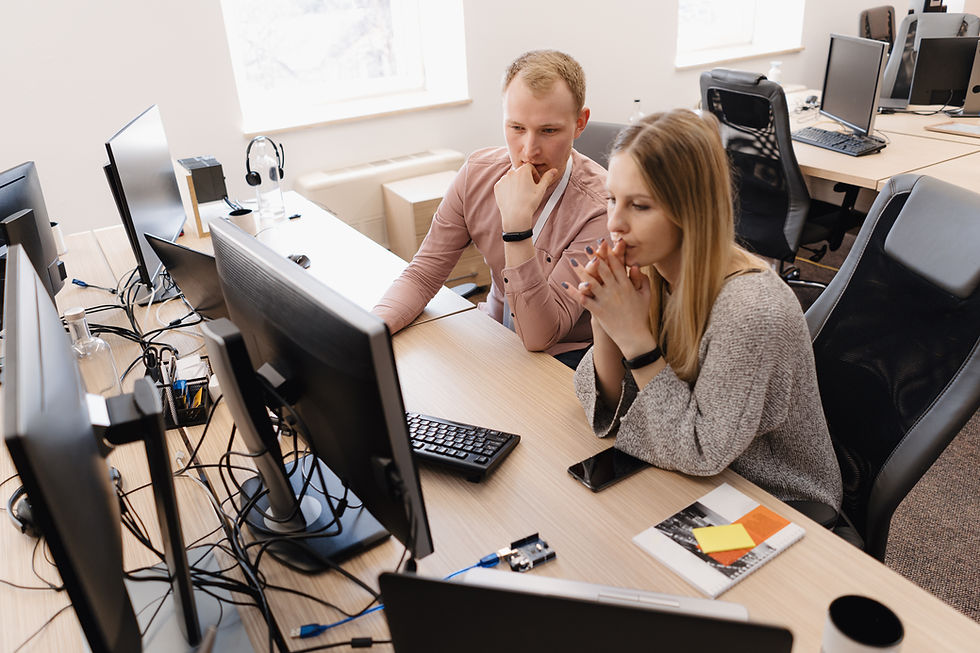
Building strong digital foundations rarely comes from hurried efforts. Long-term success requires careful planning, reliable methods, and teams that anticipate technological shifts long before they become urgent.
A Polish IT company like Coblit, equipped with deep technical expertise, demonstrates how long-term planning in software development provides direction, stability, and purpose. The perspective below outlines how consistent decisions, strong engineering values, and intentional iteration shape projects designed to last.
A Grounded Approach From the First Blueprint
Long-running systems succeed when their initial blueprint avoids shortcuts and short-term optimism. Teams with mature engineering habits begin with clarity—about goals, constraints, and how the solution should scale in the future.
A Polish IT company like Coblit builds the foundation with a wide-angle view, treating every architectural decision as something that will influence updates years ahead.
To maintain a stable core, they rely on practices that reduce friction later in the project:
Precise problem framing before writing a single line of code
Flexible architecture designed to absorb unknowns
Early alignment between engineering, design, and automation teams
Documentation that stays alive, not abandoned after launch
This approach prevents a constant cycle of patchwork fixes. It ensures the software evolves intentionally rather than reacting to crises.
How a Consistent Engineering Culture Extends System Lifespan
Long-term projects do not rely on talent alone—they rely on culture. When a team nurtures curiosity, resilience, and transparent communication, every phase of development becomes more stable.
Coblit, a seasoned Polish IT company, draws from a culture shaped over a decade of building solutions in:
industrial automation,
custom software development,
web and mobile applications,
modern AI ecosystems.
This culture manifests every day in practical ways:
Engineers share responsibility for the health and future of the codebase
Design teams prioritise clarity, not decoration
AI specialists integrate predictive models into real workflows
Mobile developers focus on usability, not superficial feature
This balance gives software development teams the endurance required for multi-year projects. It reinforces a mindset that values long-term impact over short-term speed.
The Subtle Power of Cross-Disciplinary Insight
Modern systems rarely operate in isolation. Web applications exchange data with mobile apps. Information flows into AI models. Industrial devices send signals to central dashboards.
Teams like those at Coblit understand that durable solutions require a blend of perspectives. With multiple disciplines under one roof, a Polish IT company can identify potential issues far earlier.
Integration points are validated before they become fragile
Interfaces between systems are designed for scale and resilience
AI teams collaborate directly with backend and frontend developers
Each group adapts to changing requirements without losing alignment
The result is predictable: software development progresses with fewer surprises and greater intentionality, even as business needs evolve.
Aligning Technology With Human Use
A long-term digital system must feel natural to the people who use it every day. Even the most robust architecture loses value if the interface creates confusion or friction.
This is why Coblit gives UX and UI the same weight as backend engineering. Their approach emphasises:
calm, intuitive layouts,
smooth user paths,
accessible design aligned with WCAG 2.0/2.1,
consistency across devices and contexts.
By considering human experience from the discovery stage, the system evolves in a way that remains approachable and clear. This harmony between design sensitivity and engineering strength ensures software development is rooted in real-world usability, not theoretical performance.
The Role of AI in Long-Range Roadmaps
Artificial intelligence has become central to long-term software planning.
AI supports:
predictive modelling for strategic decisions,
automation that reduces operational load,
natural language tools that evolve with user needs,
intelligent processing for growing data streams.
A skilled Polish IT company uses AI to enhance usefulness, not as a trend or decorative layer.
Coblit’s specialists work with advanced machine learning and understand how to embed AI into systems expected to grow for years. They consider:
future data volume increases,
evolving user behaviour,
long-term automation needs,
how AI will integrate with existing architecture.
This foresight ensures software remains relevant as the environment changes.
Reinforcing Stability Through Strong Support
Long-lasting digital systems depend as much on dependable support as on excellent code. Support shouldn’t vanish once the product is launched.
A mature technology partner provides:
continuous guidance,
planned updates,
proactive monitoring,
adaptation to new security standards and hardware changes.
Coblit offers ongoing availability and operational certainty, helping companies avoid costly downtime, rushed rewrites, or technical debt. This reliability anchors software development in sustainability rather than short-term survival.
Adaptation Without Losing Direction
Technology evolves quickly. A feature that feels cutting-edge today may feel outdated in a few years.
Long-term projects thrive when adaptation is steady, strategic, and grounded in experience. Coblit’s background across mobile development, web systems, industrial solutions, and device prototyping enables the team to distinguish between meaningful trends and temporary noise.
A Polish IT company like Coblit blends flexibility with discipline:
integrating new interfaces without breaking the core,
connecting new data sources with care,
modernising infrastructure while preserving identity.
This approach ensures software development stays aligned with the long-term roadmap while remaining agile enough to handle emerging demands.
The Bottom Line
Long-lasting digital systems grow from:
thoughtful architecture,
a steady engineering culture,
cross-disciplinary collaboration,
reliable long-term support,
and the ability to adapt without losing direction.
A trusted Polish IT company helps create this environment by combining broad technical insight with clear communication and dependable execution. The result is software development that remains relevant and robust long after launch.
This matters because technology no longer stands still—companies relying on digital foundations need partners who build with longevity in mind. When platforms evolve smoothly, teams work with greater confidence and fewer interruptions.
Anyone planning a long-term digital project may benefit from exploring topics such as architecture, automation, or design thinking to make well-informed future decisions. A deliberate approach to these areas will help shape a stable digital path for the years ahead.


Comments