


Why Blue Rectangular Plates Are a Must-Have for Stylish Dining Tables
- Jack Ranson
- Dec 19, 2025
- 4 min read

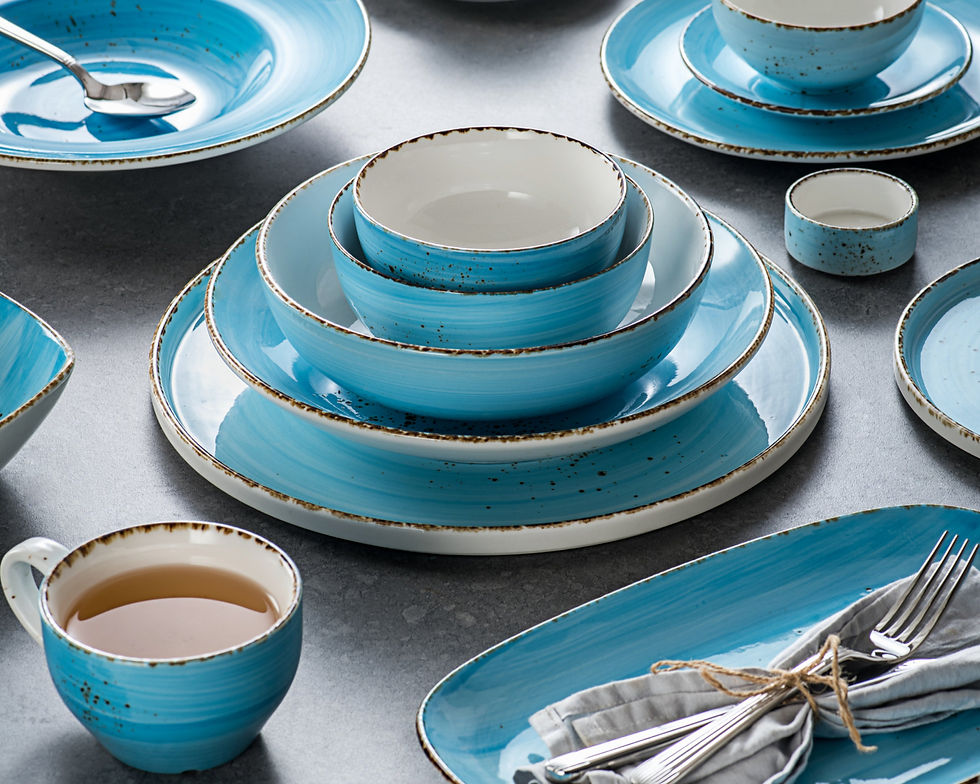
Flat, round plates dominate most tables. Over time, they blend into the background and fail to support intentional food presentation. That repetition often drains personality from even the most thoughtful meal. Rectangular formats break that pattern. When paired with blue tones, they introduce structure, contrast, and visual confidence without feeling forced.
The result feels deliberate rather than decorative. This post explains why the blue rectangular plate has become a defining element in modern table settings, how it interacts with other dinnerware styles, and where it fits within both casual and refined dining environments.
The Shift Toward Structured Tableware
Dining tables increasingly reflect design principles once reserved for architecture and interiors. Clean lines, balanced proportions, and intentional color use now guide plate selection. Rectangular plates answer that shift directly. Their geometry frames food with clarity, making each dish feel composed rather than placed.
Blue finishes soften the formality, keeping the table inviting. Design-forward suppliers such as Palate & Plate have leaned into this balance, offering rectangular profiles that support visual order without overpowering the meal itself.
Why Blue Works Across Dining Styles
Blue occupies a rare position in tableware. It reads as calming, confident, and neutral-adjacent while still offering contrast against food.
Key reasons blue remains relevant:
Complements warm and cool ingredients equally
Adds depth without high gloss or visual noise
Transitions easily from daylight to evening settings
A blue rectangular plate benefits from this versatility. The color stabilizes the sharp edges of the shape, creating harmony rather than tension on the table.
Rectangular Plates and Food Presentation
Framing the Dish With Intention
Rectangular plates naturally guide the eye horizontally. This framing suits composed entrées, shared plates, and tasting-style presentations.
Chefs and hosts favor this format because:
Proteins and sides remain visually separated
Negative space feels controlled, not empty
Garnishes gain purpose rather than decoration
Palate & Plate collections often reflect this logic, using proportion and glaze depth to support plating rather than distract from it.
Portion Control Without Restriction
Rectangular formats encourage thoughtful spacing. Portions appear generous without excess, helping dishes feel balanced and refined. That perception matters at both home tables and hospitality settings, where presentation influences satisfaction as much as flavor.
How Rectangular Plates Pair With Other Dinnerware
Mixing With Round Profiles
A table gains dimension when shapes vary. Pairing a rectangular entrée plate with a round dinnerware set for sides or salads adds rhythm to the setting.
This combination works because:
Rounds soften the table visually
Rectangles anchor the main course
Each piece has a defined role
The contrast feels intentional rather than mismatched, especially when unified by color or material.
Balancing With White Foundations
Neutral dinnerware remains essential. Arctic white dinnerware provides clarity and brightness, allowing blue plates to stand out without dominating. White pieces also reset the table visually between courses, giving the rectangular plates room to make an impact.
Blue Rectangular Plates in Everyday Use
Not Just for Special Occasions
Rectangular plates once felt reserved for restaurants. That perception has shifted as designs have become more practical and durable.
Modern versions offer:
Stack-friendly profiles
Chip-resistant materials
Finishes suited for daily washing
Collections curated by Palate & Plate often reflect this everyday practicality, bridging presentation and durability.
Suitable for Multiple Cuisines
From modern American plating to Mediterranean spreads, rectangular plates adapt to a wide range of dishes. Their clean lines support diverse food traditions without imposing a theme. Blue tones further increase flexibility, pairing well with grains, vegetables, seafood, and sauces alike.
Material and Finish Matter
Not all rectangular plates perform the same. Material choice affects weight, heat retention, and longevity.
Common options include:
Porcelain for crisp presentation and durability
Stoneware for warmth and texture
Melamine for high-traffic environments
Finish depth also matters. Subtle variations in the blue glaze add character without distracting. This approach aligns with how Palate & Plate positions its design-forward assortments.
Styling the Table With Confidence
Creating Visual Hierarchy
A table feels intentional when each element has a role. Rectangular plates often serve as the anchor, supported by simpler shapes and neutral tones.
Effective tablescapes rely on:
Consistent spacing
Limited color palette
Clear focal points
The blue rectangular plate naturally fulfills that anchor role without requiring additional decoration.
Avoiding Overdesign
Strong shapes and colors need restraint elsewhere. Flatware, linens, and glassware should remain understated. This balance allows the plate to contribute presence without visual overload, keeping the dining experience grounded and comfortable.
Commercial Influence on Home Tables
Restaurant presentation increasingly shapes home dining expectations. Rectangular plates migrated from professional kitchens into residential spaces for that reason. Brands like Palate & Plate operate at this intersection, supplying hospitality-grade designs that translate well to personal use. The result feels curated rather than copied. That influence explains why rectangular plates now appear on everyday tables, not just tasting menus.
Longevity Over Trends
Rectangular plates avoid trend fatigue because their appeal rests on structure rather than novelty. Blue remains stable across design cycles, adapting to seasonal shifts and evolving tastes. Unlike novelty shapes or colors, this combination ages gracefully. It supports long-term use rather than short-term styling. When paired with staples such as a round dinnerware set or Arctic white dinnerware, rectangular plates integrate rather than compete.
The Bottom Line
Blue rectangular plates bring order, contrast, and calm to modern dining tables. Their structured shape supports intentional presentation, while blue tones maintain warmth and versatility. When paired with round profiles and white foundations, they create tables that feel composed without being rigid.
This format suits both daily meals and special gatherings, bridging professional presentation and practical use. Tables gain clarity when each piece serves a purpose rather than filling space, a balance exemplified by Arctic white dinnerware used with intention. A thoughtfully chosen blue rectangular plate anchors that purpose, turning meals into cohesive experiences rather than collections of objects. Thoughtful tables start with shapes that support both food and feeling.


Comments