


Why Do Hearing Aids in Canada Vary Based on Lifestyle Needs

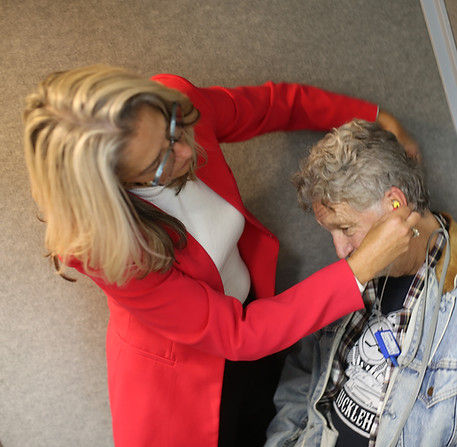
Many individuals assume that all hearing aids work the same way. That assumption often leads to frustration when devices fail to match daily demands. A quiet home requires a different solution than a busy workplace or an active social routine.
This gap between expectation and performance creates confusion. Without clear guidance, people may choose devices that amplify sound but do not truly support communication in real-world situations.
This is where tailored solutions matter. Hearing aids in Canada are designed with lifestyle at the center, not just hearing loss levels. The following sections explain how daily habits, environments, and personal preferences shape the right choice, and how proper assessments ensure better outcomes.
Understanding Lifestyle-Based Hearing Needs
Hearing care has shifted from a one-size approach to a personalized model. Devices now adapt to how individuals live, not just how they hear.
Daily Environments Shape Device Performance
Sound environments vary widely throughout the day. Each setting places different demands on hearing technology:
Quiet homes require subtle amplification
Offices need clear speech filtering
Outdoor spaces involve wind and background noise control
Social gatherings demand multi-speaker clarity
Clinics such as a hearing loss clinic often evaluate these patterns before recommending devices. Like Carter Hearing, many providers focus on understanding daily routines before suggesting technology.
Technology Adjusts to Lifestyle Patterns
Modern devices include features designed for specific lifestyles:
Directional microphones for conversations
Noise reduction systems for crowded areas
Bluetooth connectivity for calls and media
Rechargeable options for convenience
These features ensure that hearing aids in Canada align with real-life usage rather than static hearing tests.
The Role of Professional Assessments
Choosing the right device starts with accurate testing. Many people misunderstand the difference between screenings and full evaluations.
Hearing Screenings vs. Full Evaluations
Mobile clinics may offer basic checks. These are helpful but limited.
Screenings: Quick checks that indicate possible hearing issues
Evaluations: Detailed diagnostic tests conducted in clinical settings
A proper hearing test in Chilliwack provides a full picture of hearing ability. It measures frequency response, speech recognition, and overall auditory health.
Carter Hearing often highlights this distinction to avoid confusion. Screenings can guide decisions, but only full evaluations lead to precise fittings.
Why Clinical Testing Matters
Accurate testing ensures:
Correct device programming
Better speech clarity
Reduced listening fatigue
Long-term hearing support
Without a detailed assessment from a hearing loss clinic, even advanced devices may fail to deliver results.
Lifestyle Categories That Influence Hearing Aid Choice
Not all users have the same needs. Lifestyle categories help narrow down suitable options.
Active and Social Lifestyles
People who frequently engage in conversations or events need:
Strong noise management
Fast sound processing
Seamless switching between environments
Devices for this group prioritize clarity in complex soundscapes. Clinics like Carter Hearing often recommend advanced models for such users.
Work-Focused Lifestyles
Professional environments demand precision:
Clear speech in meetings
Compatibility with phones and computers
Minimal background distraction
In these cases, hearing aids in Canada often include connectivity features that support productivity.
Quiet and Home-Based Lifestyles
Some individuals spend most of their time in calm environments. Their needs differ:
Gentle amplification
Comfort for long wear
Simple controls
Overly complex devices may feel unnecessary here. A hearing loss clinic typically adjusts settings to avoid over-amplification.
Customization and Ongoing Adjustments
Hearing care does not end after the initial fitting. Devices require fine-tuning over time.
Why Adjustments Are Essential
Hearing changes gradually. Devices must adapt accordingly.
Volume and frequency adjustments improve clarity
Software updates enhance performance
Feedback management reduces unwanted noise
Clinics like Carter Hearing often schedule follow-ups to ensure optimal use.
User Feedback Shapes Performance
Personal experience plays a key role:
Difficulty in noisy places signals adjustment needs
Comfort issues may require fit changes
Battery preferences influence device choice
A hearing test in Chilliwack combined with ongoing feedback ensures that devices continue to match lifestyle demands.
Access and Availability Across Canada
Access to hearing care varies by location. Urban clinics often provide full services, while mobile units serve remote areas.
Clinic-Based Services
Full-service clinics offer:
Comprehensive evaluations
Device fittings and programming
Follow-up care
These settings provide the most accurate results for hearing aids in Canada.
Mobile Clinics and Their Role
Mobile services increase accessibility but have limitations:
Screenings instead of full evaluations
Basic guidance rather than detailed diagnostics
Clear communication about these differences helps manage expectations. Carter Hearing, like Carter Hearing in community outreach settings, maintains this distinction to ensure transparency.
The Bottom Line
Hearing solutions vary because lifestyles vary. Daily environments, work demands, and social habits all influence how devices should function. Proper testing, especially through a full clinical evaluation like a hearing test in Chilliwack, ensures that technology aligns with real-world needs rather than assumptions.
Reliable care begins with understanding these differences. A detailed assessment at a qualified clinic provides the clarity needed to choose the right device. Those seeking better hearing outcomes should schedule a professional evaluation and discuss lifestyle factors openly. The right approach leads to better comfort, clearer communication, and long-term satisfaction with hearing aids.





Comments